


Mobile phone literally dropped from SPACE remains intact thanks to record-breaking case
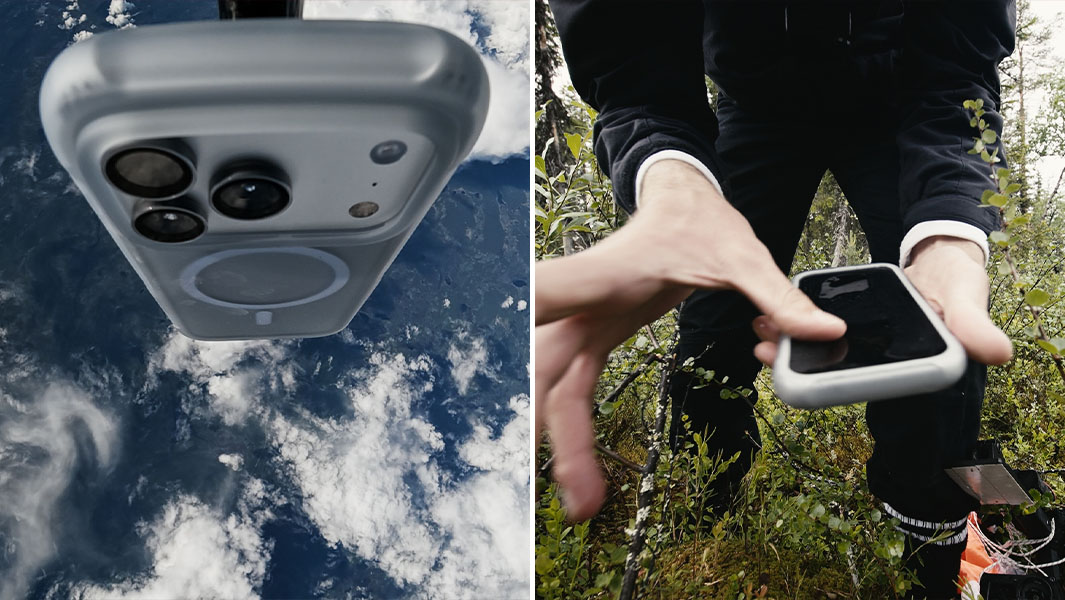
A mobile phone case company put their product design to the ultimate test by dropping a phone from SPACE and recovering it completely unscathed.
RHINOSHIELD PTE. LTD. and Sent Into Space LTD. (UK) teamed up to break the incredibly impressive record for highest drop of a mobile phone in a phone case (natural landforms).
Recovering their phone in Kiruna, Sweden, on 24 June, it was undamaged despite being dropped from a height of 30,607 m (100,418 ft 8 in).
For context, that’s over three times as high as commercial planes usually fly (9,000 m; 30,000 ft) and more than triple the height of the world’s tallest mountain Mount Everest (8,848 m; 29,031 ft).
Mujou Hsiao, Brand Experience Manager at RHINOSHIELD, said this whole thing started with a “wild idea” from the company’s founder, Eric Wang.
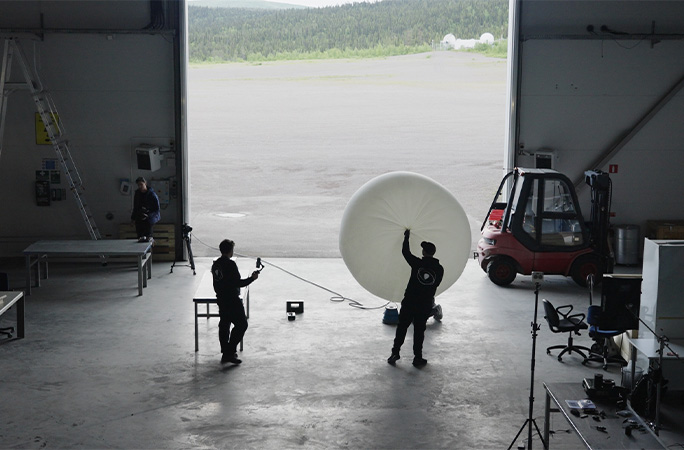
It was right after they launched their AirX product line last year. The company has always held eliminating waste as one of its core values and has embraced a mono-material design principle since 2017 that makes its cases 100% recyclable.
Mujou explained: “AirX was a breakthrough that our Design & R&D labs spent over a year perfecting. Creating a top-of-the-line protective case out of a single material without compromising durability required incredible creative engineering. When Eric saw what the team built, he asked, ‘Why not test its limits with a Guinness World Records attempt?’
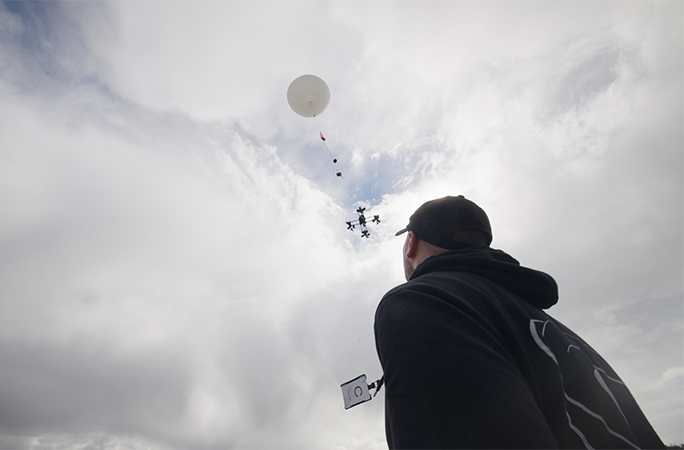
“We initially pitched ideas like 50 consecutive 15-metre drops or ‘most durable mono-material case’. But we wanted to literally take protection to new heights, so we were exploring hot air balloons, skydiving, and weather balloons. Ultimately, Eric said, ‘If we're going high, let's go as high as humanly possible.’
“That’s how the stratospheric drop was born.”
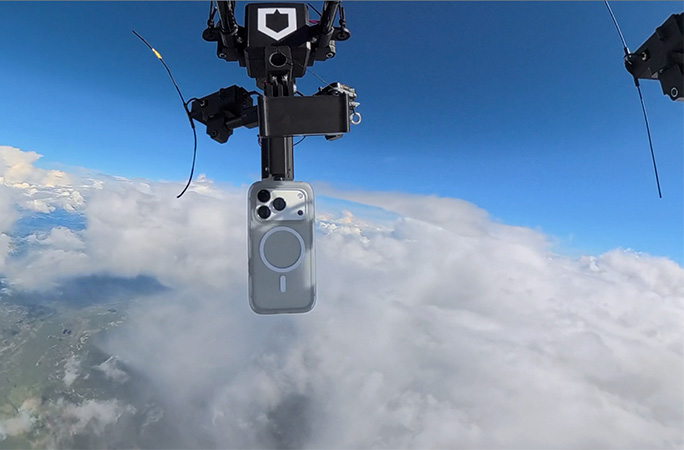
The AirX case was inspired by car airbags and the kind of air cushions used to create shock absorption on sportswear shoes.
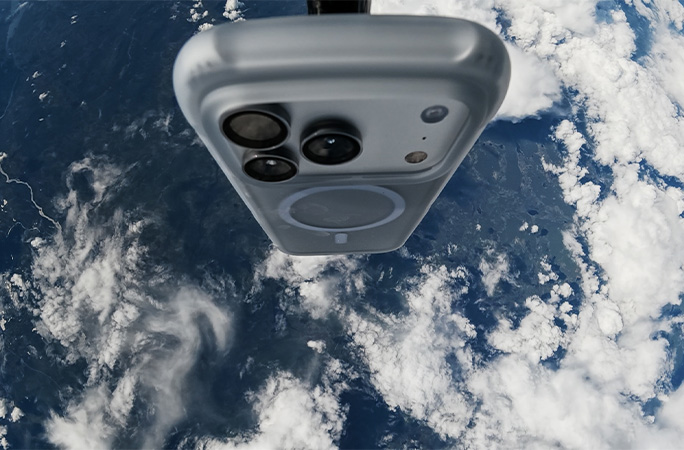
The phone was taken up into space by balloon and let go, leaving everyone involved in the stunt holding their breath as it plummeted back down towards Earth.
Read more stories like this in our Science and Technology section.
Mujou said: “I’d be lying if I said we weren't sweating! Standard lab drop tests are around 1.2 m. For extreme testing, we regularly drop phones from our 6th floor office (about 23 m). But the stratosphere is 26,000 to 36,000 m, over 1,000 times higher than our office building.
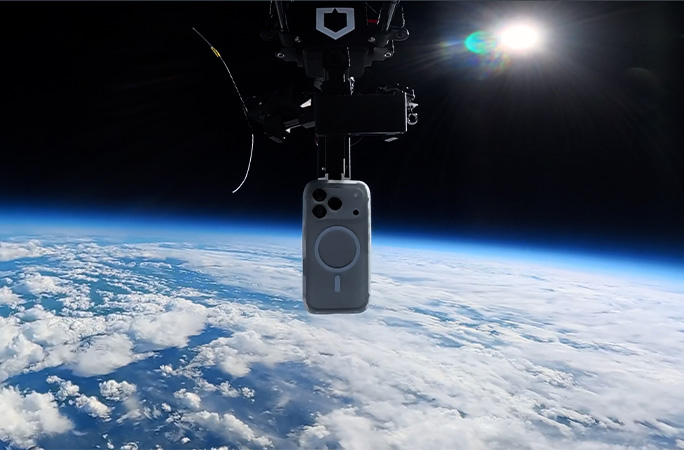
“To make it harder, GWR guidelines strictly prohibited parachutes and required the phone case to make direct contact with the ground first. In preparation, our R&D team conducted sub-zero freeze tests to mimic stratospheric conditions, alongside atmospheric pressure testing. We prepared for the absolute worst and hoped for the best.”
It was with the help of Sent Into Space that the team managed to track down and retrieve the phone following the drop.
The company recommended the Esrange Space Center in Sweden for the launch, a restricted zone twice the size of Luxembourg (roughly 5,200 to 5,600 square km).
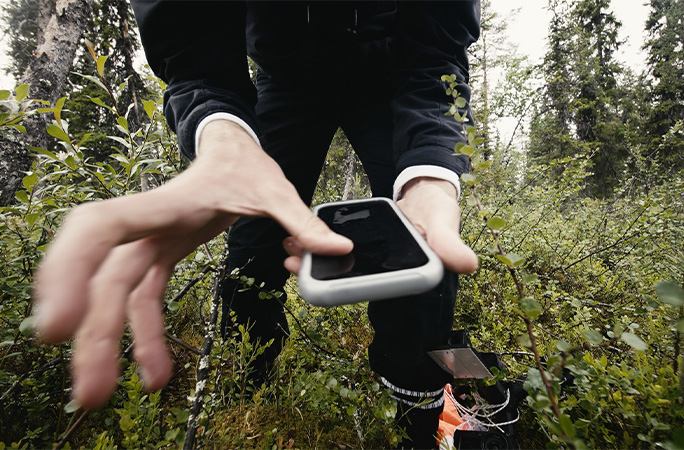
It was dropped into uninhabited wilderness on purpose to ensure nobody was hurt, but of course, that didn’t make finding it easy.
Mujou said: “Finding a single phone in a wilderness that vast was like finding a needle in a massive haystack. The tracking was narrowed down to 2 km, but it still took us more than five hours to find it.”
She added of finding the phone undamaged: “It was a mix of intense relief and awe! We trusted the science behind AirX, but outdoor elements were completely out of our control - unpredictable crosswinds, descent speeds, landing surfaces, and the sheer pressure of time, as we were only in Kiruna for a week.
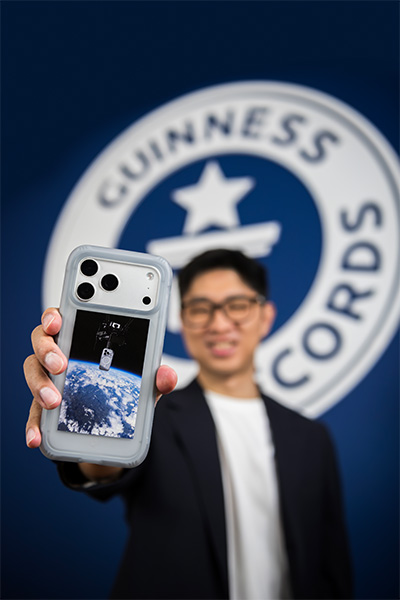
“Due to strict helicopter payload limits, only four people (excluding the pilot) could go up for the initial search: two engineers from Sent Into Space equipped with tracking gear, and two videographers. Waiting on the ground was agonizing.”
With their impressive record, RHINOSHIELD and Sent Into Space want to shatter the “myth that eco-friendly means weak,” Mujou said.
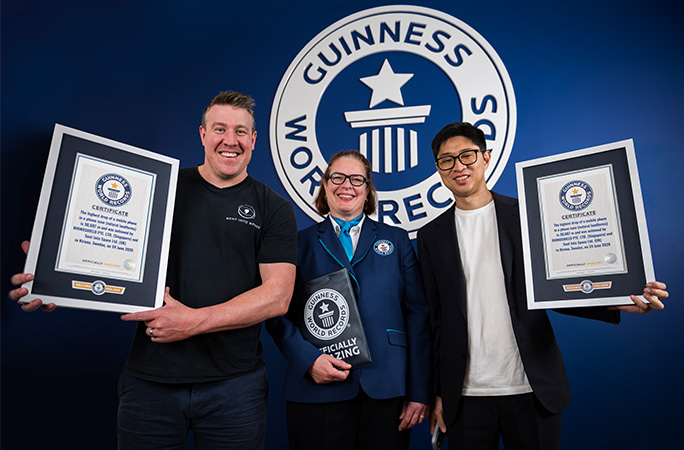
Guinness World Records Adjudicator Juliet Dawson presents certificates
“The phone case industry generates a ton of plastic waste because most cases use mixed materials that can't be recycled. At RHINOSHIELD, we’ve used 100% recyclable mono-materials for years, but people often assume single-material cases can't offer heavy-duty protection.
“We wanted to prove that you don't have to compromise. Instead of settling for standard ‘military-grade’ protection, we went for ‘Space-Grade.’ Dropping AirX from the stratosphere and finding it completely undamaged proves that sustainable circular design can tackle the most extreme conditions on (and off!) Earth. Hopefully, this shows that mono-material design principle is totally achievable, and we’ll start seeing everyday products adapt to it in the future.”