


Psychologists asked 1,000 people to walk around a haunted house. What did they learn?
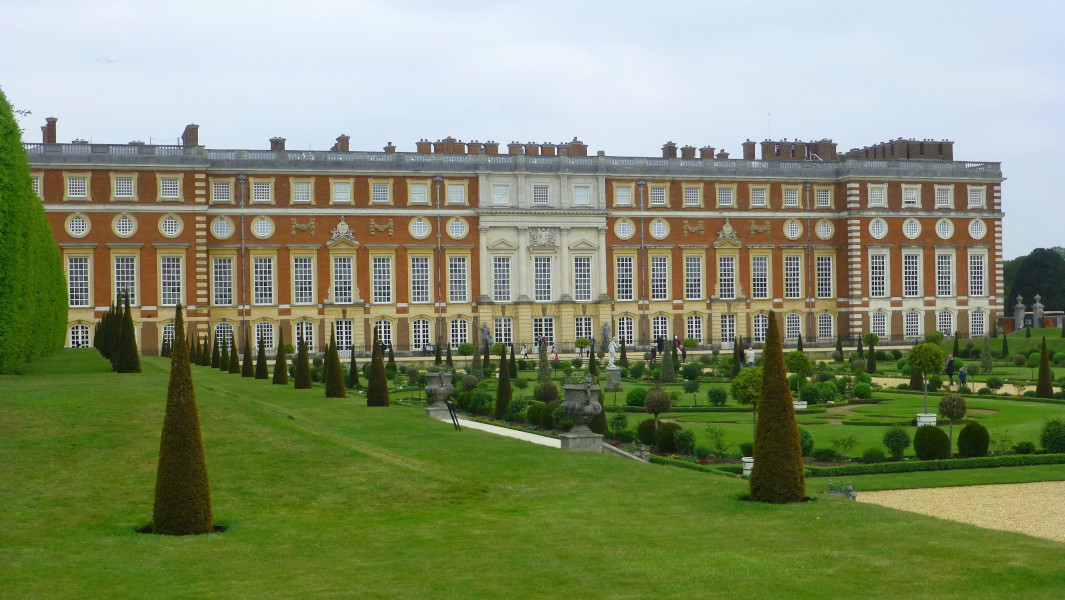
As they wandered through the quiet halls of Hampton Court Palace, it would’ve been hard not to imagine Catherine Howard – who was rumoured to have sprinted down these same corridors nearly 500 years prior, screaming for King Henry VIII to spare her life.
Though a lot had changed at the English castle over the last five centuries, at the same time, it looked in many ways as it had in 16th century, with multicoloured tapestries draped across Tudor woodwork, and stony staircases twisting to reveal endless passageways and a maze of royal rooms.
Surrounded by these historic sights, and filled with the knowledge of its alleged recent hauntings, these participants were on the hunt for ghosts… or at least, that’s what the psychologists wanted them to think.
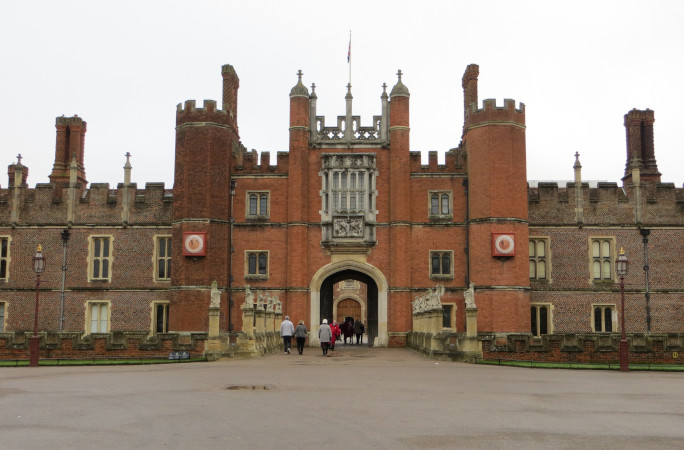
Image credit: Waldo Domiguez from Pixabay
Between 26 May and 4 June 2000, psychologist Richard Wiseman at the University of Hertfordshire arranged the most participants in a scientific study into an alleged haunted house ever completed, investigating the power of suggestion within the human psyche when faced with the paranormal.
Taking place at Hampton Court Palace – a building rumoured to have some of the most ghostly encounters in the UK – the 1,027 volunteers were members of the public, escorted around the private rooms where these apparitions reportedly made their homes.
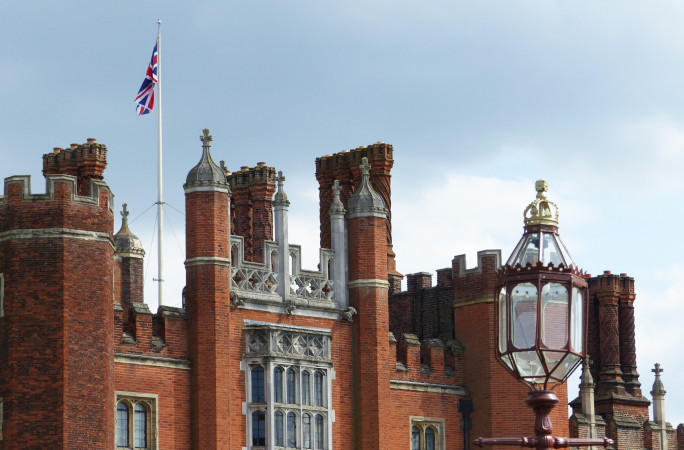
Image credit: O V from Pixabay
Besides the spectral “Screaming Queen” myth of Catherine Howard, the castle of King Henry VIII also is apparently the resting spot for Queen Jane Seymour – who died in childbirth at the fortress, and supposedly wanders up and down the stairs with a candlestick near the room where she passed on the anniversary of Prince Edward’s birth. There also have been sightings of a “Grey Lady”, a servant at the palace whose tomb was disturbed, causing her to restlessly pace through the passageways of the only place that felt familiar.
In fact, Hampton Court Palace claims that in 1999, two separate tourists fainted at the exact same spot in this Haunted Gallery, making the castle the perfect location for a study about ghosts.
Read more record-breaking ghost stories in our dedicated Hobbies and Skills section!
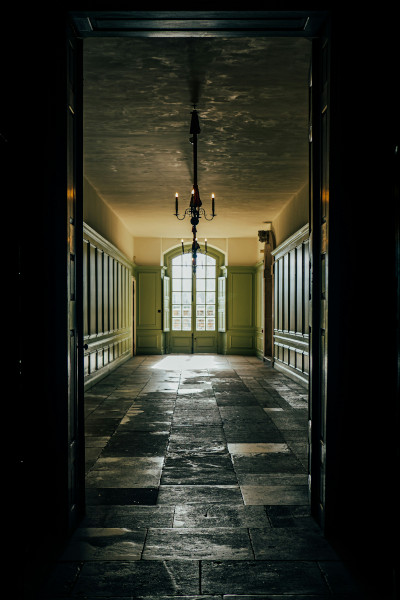
Image credit: Greg Willson on Unsplash
After recruiting hundreds of visitors from the castle to participate in the study – simply described as investigation into the local environment – the psychologists broke the people up into two separate groups for evaluation.
Everyone was handed a questionnaire, and were asked to indicate how often they experienced eight types of unusual phenomena typically associated with ghosts, such as: unusual smells, sudden changes in temperature, or a strong sense of a presence. The attendees were then asked the degree to which they believed these experiences were caused by a ghost, in an effort to help the scientists break them into groups of “believers” and “non-believers”.
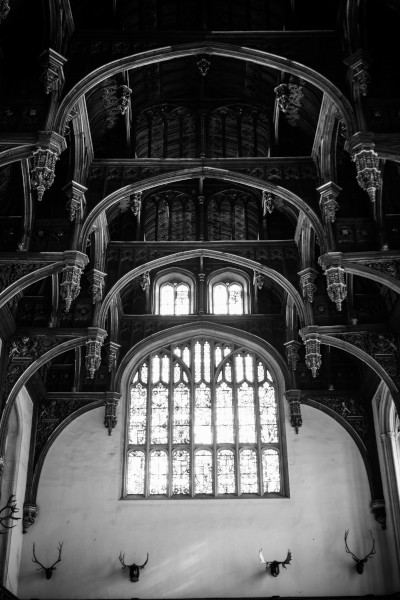
Image credit: Greg Willson on Unsplash
Next, small groups of participants walked around the Haunted Gallery and the Georgian Rooms, reputed to be the most haunted sections of the palace. Given a map of the castle, they were instructed to mark down any rooms in which they felt “off”, and to what extent they thought the phenomena was caused by a ghost.
Interestingly, the scientists had split these groups into two smaller sections, each given different reasons for why they were there. The psychologists mentioned to one group (made up of believers and non-believers) that there had been recent sightings of ghosts at the palace, while they explained to the others that they were there to record the effects of palace restorations on the body – nothing about ghosts.
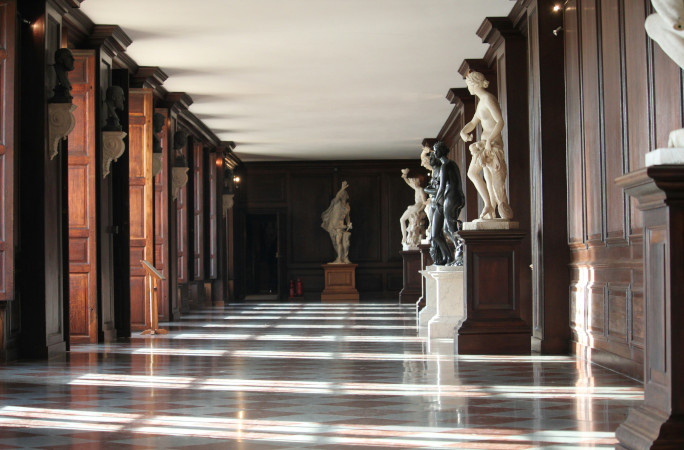
Image credit: Moddy Bangpan on Unsplash
Richard and his team were curious if the power of positive or negative suggestion had anything to do with reports of paranormal activity… and it turns out that they were right.
Across the diverse range of participants, those who believed in ghosts reported significantly more anomalous experiences than disbelievers – and were considerably more likely to credit these occurrences to a ghost.
Additionally, suggestion played a major role in the number of unusual experiences reported by participants, demonstrating the power of language when it comes to classifying these phenomena.
That said, the investigation was primarily focused on how humans react to “unexplained” experiences, and didn’t actually serve as a research study into if ghosts were real or not. Richard and his team found out valuable information about how we react to suggestions, but ultimately, it’s entirely up to you how these phenomena are classified within your head.
So did you hear the wails of a teenaged Queen before her beheading? Or was that simply the wind?
Guess you’ll have to head to Hampton Court to find out.
Header image: Lara Hughes / Pixabay