


Senior sea cow Romeo crowned the oldest manatee ever at Florida marine park
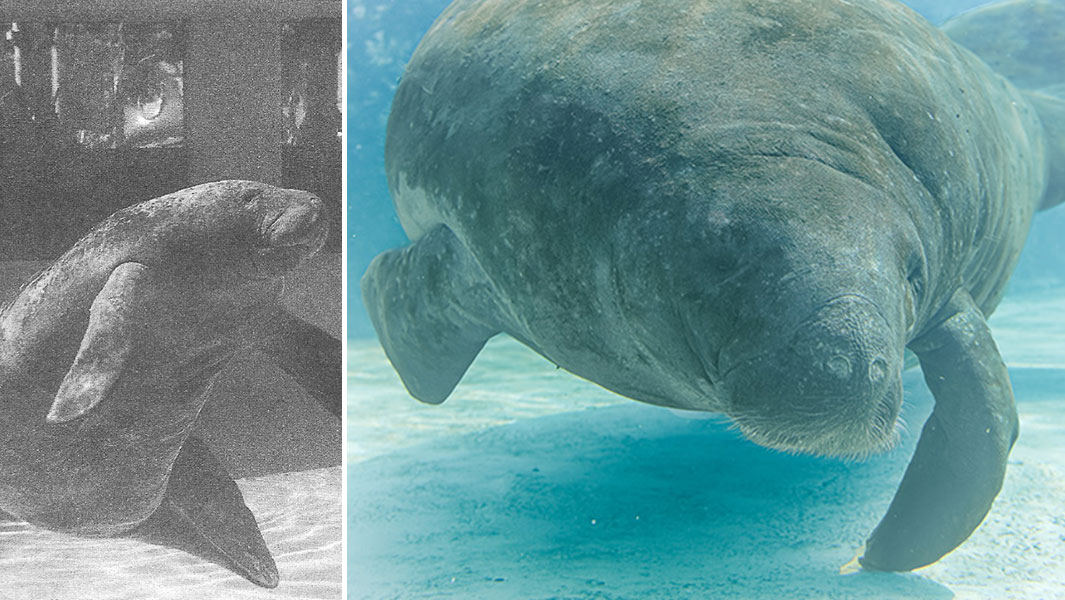
A West Indian manatee (Trichechus manatus) called Romeo, who is at least 71 years old as of 2026, has been verified as the oldest manatee ever.
The senior sirenian (a group more commonly known as sea cows) is now a resident at the Gulfarium on Okaloosa Island in Destin/Fort Walton Beach, Florida, USA.
Romeo was wild born, meaning his exact date of birth is unknown, but when he was found in the Miami area in 1957 he was described as a “subadult”, which would put him in the region of two to five years old. At the most conservative end of the spectrum, that means he is at least 71 in 2026 and, in reality, more likely to be in his mid-70s.
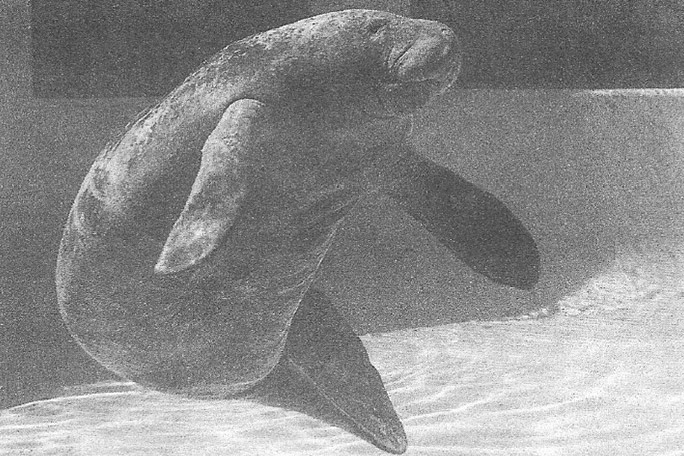
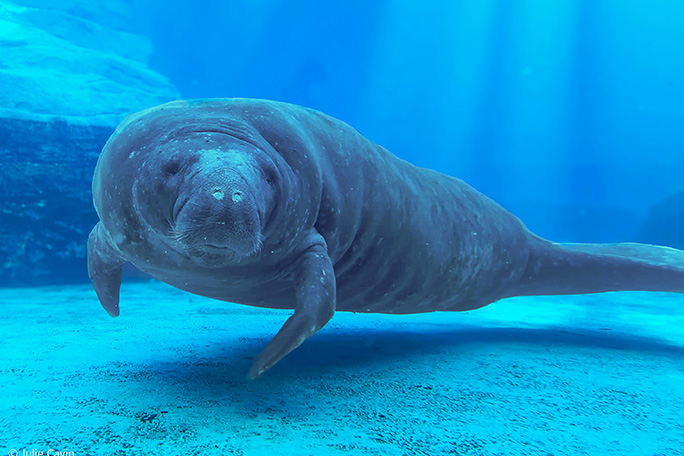
Romeo at the now-closed Miami Seaquarium where he lived from 1957 to 2023
When he came under human care for educational display, Romeo (then known as Big Bull) went to live at the Miami Seaquarium, where he remained until late 2023.
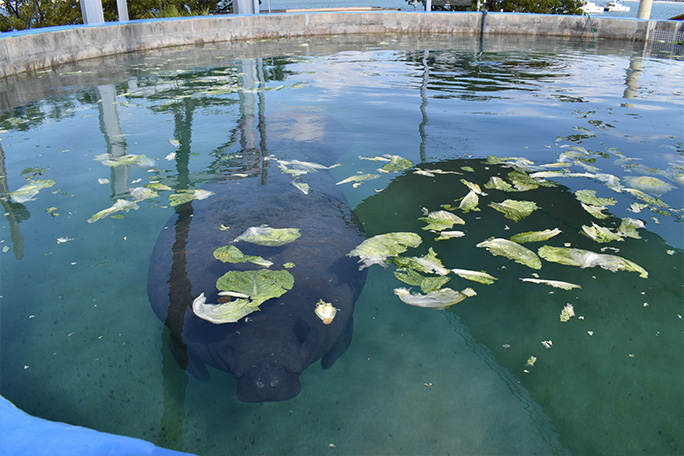
Romeo in 2022 at the now-closed Miami Seaquarium
Overseen by the US Fish and Wildlife Services, he was temporarily relocated to Zoo Tampa before moving (for what is intended to be the last time) to the Gulfarium in June 2025.
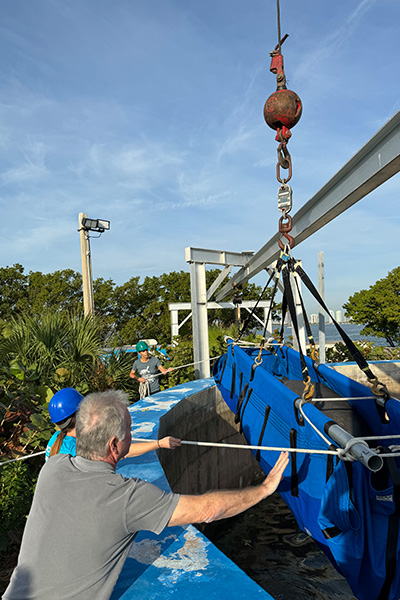
Romeo being lifted out of his pool at the Miami Seaquarium by USFWS officials for a transfer to Zoo Tampa in 2023
We are so honoured to be caring for Romeo. He has touched so many people and been such an inspiration for ocean conservation for so many years. To be able to carry on that legacy for his species with him here at the Gulfarium is such a pleasure – Patrick Berry, President of the Gulfarium
The year after his arrival at the Miami Seaquarium in 1957, a female manatee (first called Mabel) was introduced to the facility and was renamed Juliet.
Though it would take quite a few years to develop the optimum conditions, Romeo and Juliet would go on to form a lifelong bond and would have nine offspring together. Their first calf – Lorelei, born on 3 May 1975 – is believed to be the first manatee conceived and born while in human care.
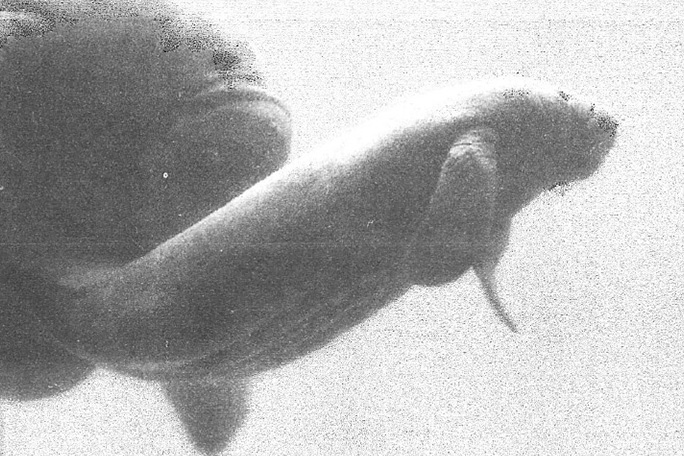
Romeo and Juliet's first calf, Lorelei, born at the Miami Seaquarium in 1975
Romeo’s partner Juliet also reached an impressive age, certainly in excess of 65 years old when she passed away in April 2024 at Zoo Tampa.
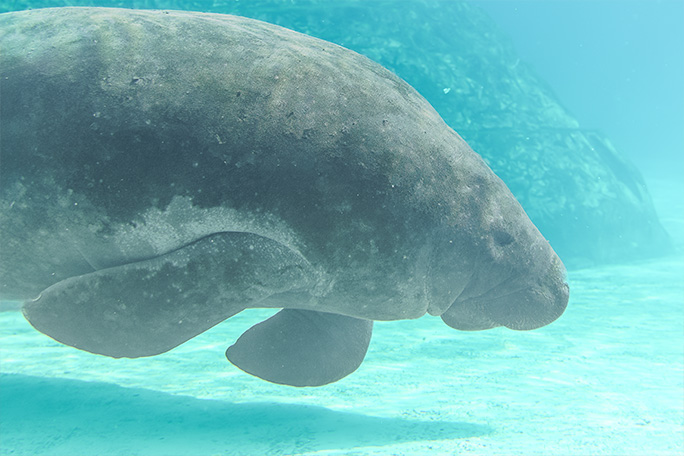
Romeo has been described as a laidback, gentle giant. He loves grazing along the lettuce forage feeders that rest on the bottom of his habitat, known as Manatee Cove.
He can almost always be found napping promptly at 2 p.m. near his favourite rock, often snuggled up with his best buddy Lil Joe (who is a sprightly 37-year-old manatee). They also share their home with Inigo, who is estimated to be around 10.
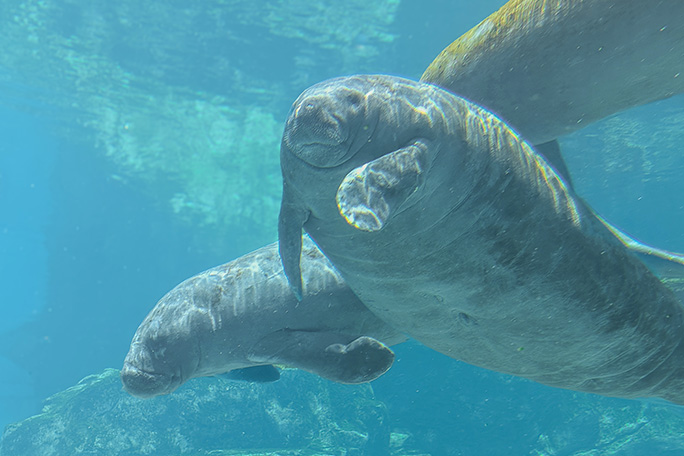
GWR was told by staff at the Gulfarium that his favourite foods are romaine lettuce, apples and small pieces of sweet potato.
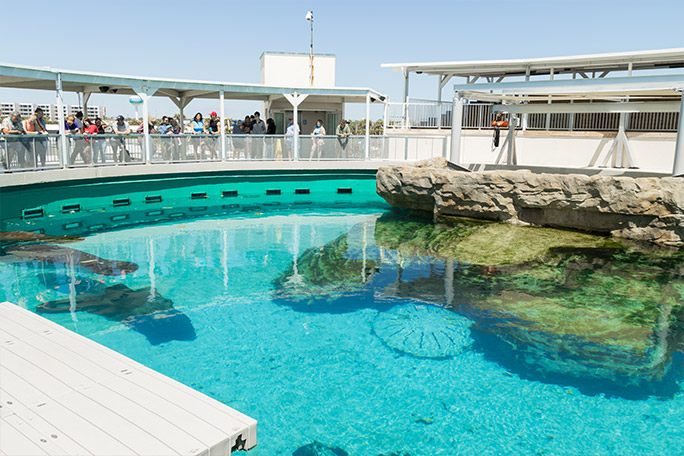
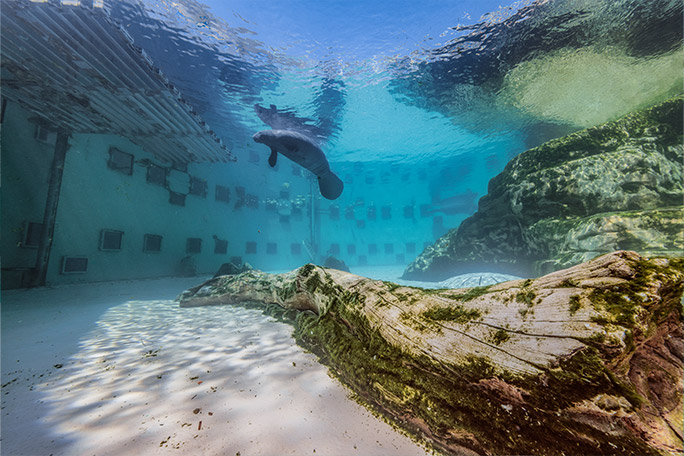 Since June 2025, Romeo has lived at Manatee Cove at the Gulfarium on Okaloosa Island
While it isn’t unheard of for manatees to live into their 60s, their more typical lifespan is between 30 and 40 years old. Their longevity tends to be particularly curtailed in the wild where they face a number of serious threats such as habitat destruction, pollution and injuries/fatalities caused by watercraft in their native rivers, bays and seagrass meadows of south-east USA.
Prior to Romeo, the oldest manatee ever as recognized by GWR was Snooty (USA, b. 21 July 1948).
He passed away aged 69 years 2 days on 23 July 2017. Snooty lived at the South Florida Museum in Bradenton, Florida, USA.
Great efforts are underway in Florida to try to protect and bolster wild populations of these much-loved aquatic mammals, of which the Gulfarium plays its part as a member of the Manatee Rescue & Rehabilitation Partnership (MRP).
The Gulfarium’s Patrick Berry shared his thoughts with GWR on how he thinks manatee conservation has improved over the decades.
“Certainly, great strides have been made, whether it be through state and local ordinances to protect the animals or the excellent conservation work undertaken by different groups such as the MRP which helps rescue and rehabilitate manatees.
“Through MRP and its cooperation of federal, state and marine parks, manatees are rescued and, when ready to return to the wild after rehabilitation, they are tracked via a satellite tag for a year post release to see how they are doing and, if still well, can then be deemed a success.
“Sometimes they must be rescued a second or third time even, and at that point may become conditionally non-releasable and become great ambassadors for their species as Romeo has been for some 70 years.”
So many of us that have worked in manatee conservation have been continually amazed by Romeo. Over his time in managed care, he has taught us so much about the species, and much of what we know about manatee reproduction, longevity and how to care for manatees is because of him. Thanks to Gulfarium Adventure Park for providing him with a wonderful, permanent home to live out his golden years! - Terri Calleson, Florida Manatee Recovery Lead, U.S. Fish and Wildlife Service