


How a marketing mistake made teabags a household must-have
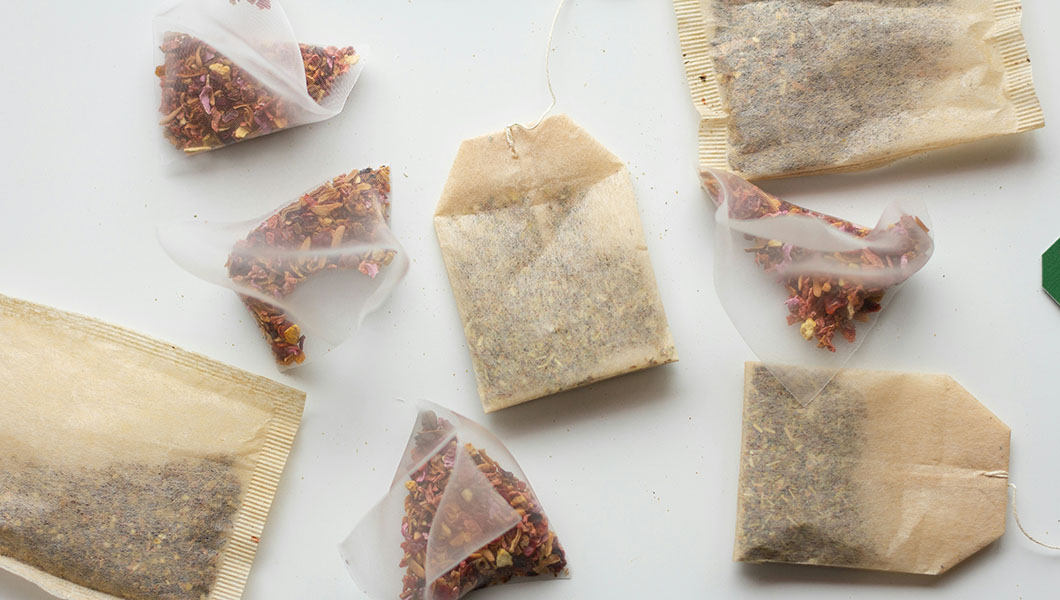
Tea lovers have devised many ways of brewing the perfect cuppa, and the teabag is perhaps the most affordable and easiest of them.
Yes, it might not be the most adventurous way of enjoying tea.
Yes, dunking a humble teabag into a mug of hot water doesn't exactly sound like a romantic teatime experience, especially compared to more refined (but time-consuming) methods such as loose leaves and infusers.
However, mundane as it may seem, the teabag became an instant success the second it hit the market. Versatile and affordable, they are now a must-have in every kitchen and widely regarded as one of the fastest, most convenient ways to fix ourselves a comforting cup of our favourite blend.
But did you know that the popularity of the world's first teabags was due to an accidental marketing stunt?
Sit down and get comfortable, because we’re about to pour some tea – and it’s hot!
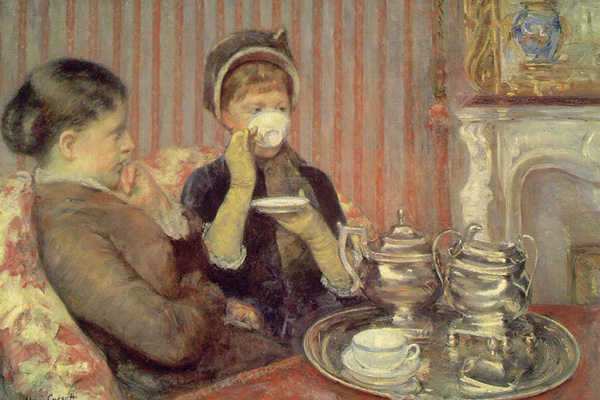
Mary Cassatt / Wikimedia Commons
Tea is considered a quintessentially British habit by many, but not everyone knows that the first teabag was invented in the United States, specifically Boston, by an inventor named Thomas Fitzgerald.
Most of us are familiar with the appearance of a teabag, but the 1880 early prototype looked rather different from the one we use today.
First of all, the original model was intended solely for tea leaves (sorry, herbal tea lovers).
Shape-wise, the teabag patented by the Bostonian inventor looked nothing like the pyramidal, round or rectangular pouches produced by current brands: the original model was a long-handled bag, often made of muslin or cloth, made to be filled with tea or coffee. It was secured to a float and featured a removable pouch that could be refilled as needed.
The initial model also included a long handle secured to the float, so the object could be carried from the kitchen to the table.
Fitzgerald filed a patent request on 13 March 1880 (No. 234,556), and it was eventually granted in November of the same year.
However, the popularity of teabags only peaked almost 20 years later, thanks to a man named Thomas Sullivan.
Sullivan's teabags were made of silk, hand-sewn, and, according to a popular legend, they weren't meant to be sold at all.
The world's obsession with tea took a turn in 1908, when Sullivan, a tea and coffee importer from New York City, was looking to expand his business.
In search of a cost-effective way to stand out and make a name for himself, the American tea trader decided to venture into uncharted waters: he began offering samples of his products to potential customers.
However, instead of packaging the leaves in metal tins or heavy wooden boxes, as customary for exporters of his time, the entrepreneur tucked them into small silk bags.
The new format, cheaper to produce and easier to mail, should have allowed Sullivan to boost his customer base with minimal investment.
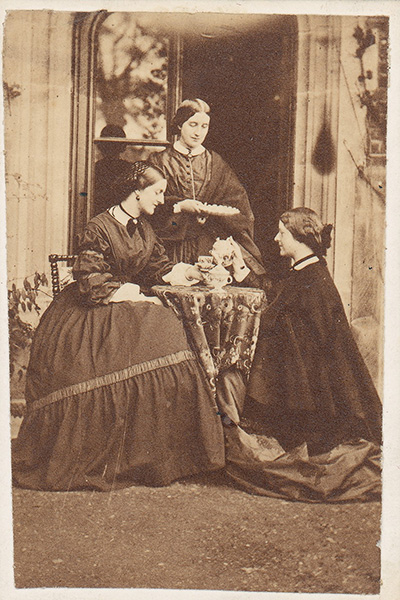
Metropolitan Museum of Art / Wikimedia Commons
In theory, the customers sampling the imported products should have enjoyed their tea as usual: open the bag, pour the loose leaves into a teapot with piping hot water, brew and filter using a traditional infuser.
As it turned out, Sullivan's clientele had a different opinion.
In a serendipitous twist of events, the tea enthusiasts didn’t open the bags at all. Instead, assuming that the convenient new design was meant to replace traditional brewing procedures, they dipped the entire silk packaging straight into hot water and left it to soak.
The filtering fabric worked just like a metal infuser.
It produced a rich, aromatic drink in a surprisingly short time and, just like that, what was devised as a marketing shortcut quickly became a response to the collective need for a less laborious way of enjoying tea.
Overall, it's hard to outline the history of the first teabags.
Although often quoted as the fathers of teabags, the idea of using pouches to infuse tea leaves existed long before the days of Fitzgerald and Sullivan.
Early mentions could be traced back to Ancient China. The first written reports of devices described as "tea bags" or "tea pillows" (alternative brewing techniques using cloth or other filtering materials) appeared as early as the Tang Dynasty (618-906 AD) and more specifically in Lu Yu's monographic masterpiece The Classic of Tea.
More modern prototypes began to emerge after Fitzgerald's 1880 creation, often improving the original design.
At the beginning of 1900, five years before Sullivan, two American women from Milwaukee, Wisconsin, experimented with an improved prototype called the "Tea Leaf Holder".
In March 1903, Roberta C. Lawson and Mary Molaren patented their own version: just like Fitzgerald's initial model, Lawson and Molaren's "Tea Leaf Holder" was also made of mesh fabric, mostly muslin or cotton.
The object was designed to make brewing easier and more pleasant, avoiding leaves from "going into the drinker's mouth".
Their invention was also created to avoid the waste of precious leaves, as every single-use bag measured the exact amount of product needed for a single cup.
However, even if the art of tea brewing is deeply rooted in human history, most teabag prototypes weren't as widely marketed or well-known as Sullivan's silk bags.
Still hungry? If you are craving to know more about foodie inventions, giant foods and other yummy records, don't forget to check out our other tea-licious stories.
Many others soon copied and finessed the popular product, starting with replacing the expensive silk with a cheaper gauze pouch.
As the new material was thicker and less suitable for filtering (but more remunerative in a rapidly expanding market), producers also experimented with the tea leaves inside the bags, using pressed or fragmented leaves to speed up the filtering process.
Although opinions vary regarding the quality of the leaves used inside teabags, it didn't stop the product's popularity.
Convenience, an import-friendly weight and cheap materials became winning selling points for the teabag: a humble-looking object that quickly took over a fast-paced, industrialized society.
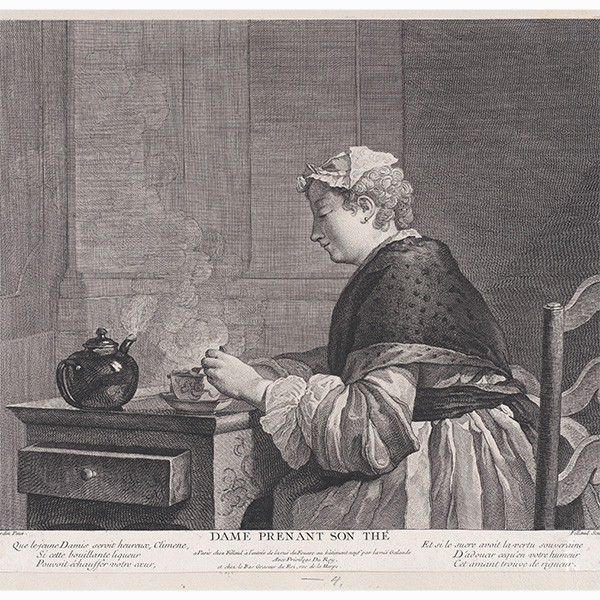
Pierre Filloeul / Wikimedia Commons
The invention opened the doors to a new era of tea drinkers.
Mass production of teabags skyrocketed during World War I, and the numbers increased further in 1929 thanks to the German tea packing machine Pompadour.
The now-common rectangular format appeared and gained popularity many years after the teabag's origin story, in 1944.
Today, Fitzgerald's 1880 prototype has evolved beyond imagination.
The shelves of supermarkets worldwide are packed with a plethora of flavours and variations. Teabags come in all sorts of shapes and prices, mostly produced using different porous materials: from cotton or silk to filter paper, vegetable fibres, or even nylon (although plastic derivatives aren’t always biodegradable, raising concerns about disposal and pollution risks).
Tea lovers can also buy empty bags: meant to be filled autonomously at home, this option combines the freshness and flavour of one's favourite tea leaves with the convenience of a single-use format.
As tea remains a popular drink, teabags continue to play an important part in our everyday lives.
Be it thanks to an early Boston prototype or a clever marketing stunt, what is certain is that America revolutionized teatime – and that’s the tea.