


From shipwrecks to fermented fish: why Sweden is a record-breaking museum hub
In a feature all about extraordinary museums that appears in the now-available Guinness World Records 2027, Sweden is recognized as the country with the most museums per capita.
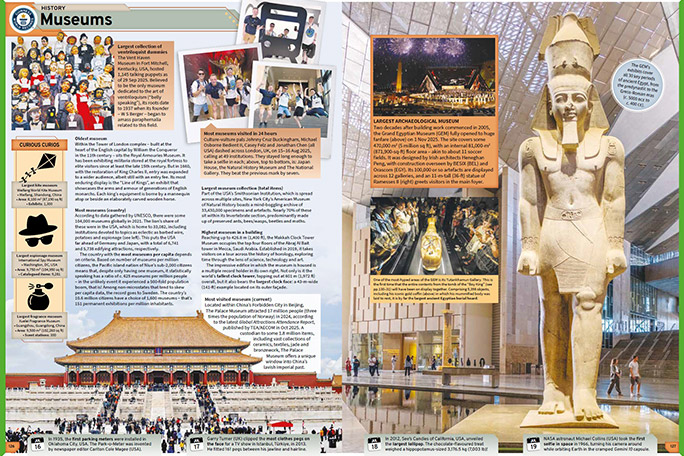
According to a 2021 report published by UNESCO, this Nordic nation has more museums in relation to population size than any other: some 1,600 among 10.6 million people. That equates to 151 museums for every million citizens. (It’s worth noting that this excludes micronations, which have populations smaller than 100,000 – such as the Pacific island of Niue – because such low figures tend to skew per-capita comparisons.)
The country with the most museums outright, by far, is the USA. It boasts 33,082 exhibition spaces in all, among them record-breaking collections as eclectic as neon signs, espionage paraphernalia and ventriloquist dummies. But given its much larger population, that works out as “only” 101 museums for every 1 million Americans.
In celebration of Sweden’s bounty of cultural institutions, here we spotlight five of its quirkier ones, which you might want to add to the vacation itinerary on your next visit…
Credit: Adam Millward
Vasa Museum
Location: Stockholm
Opened: 1990
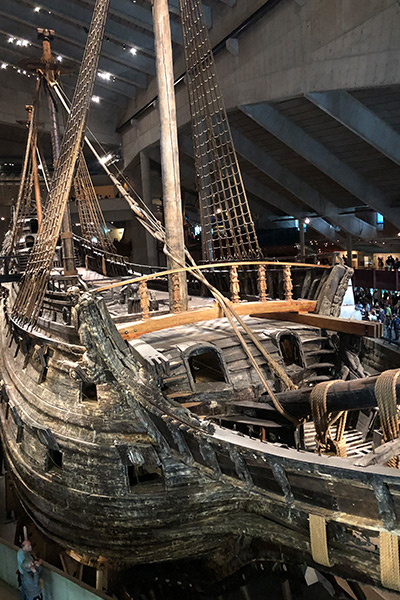
As you’d expect, the Swedish capital is brimming with museums, covering everything from modern art to Nobel Prizes. One of its most popular is a record holder in its own right. Receiving between 1 and 1.5 million people per year, the Vasamuseet is the world’s most visited shipwreck museum. It houses the Vasa, a 17th-century galleon that sunk only 1.3 km (0.8 mi) into its maiden voyage on 10 August 1628. Lifted from the seabed in 1961, the cold water of the Baltic Sea (which has limited the viability of creatures like shipworm that in warmer climes tend to devour any submerged wood) meant an incredible 98% of the wooden vessel remained, making it the most intact sailing warship salvaged.
Credit: Najib Zamri
Disgusting Food Museum
Location: Malmö
Opened: 2018
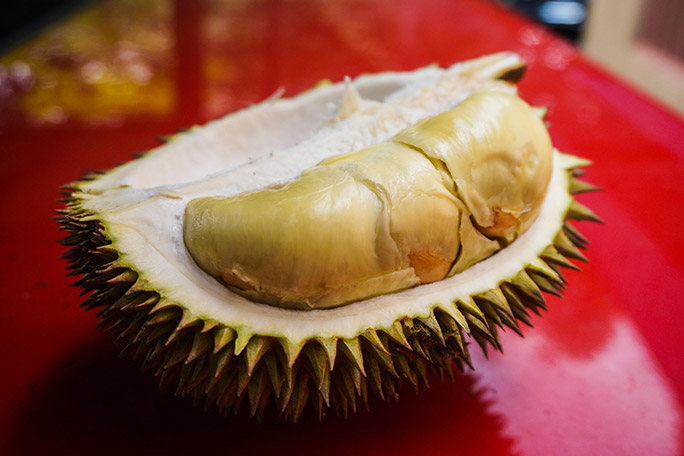
Museums don’t traditionally aim to make their patrons feel revulsion, but this gastronomy-focused Malmö institution has dined out on that reaction and actually made it their USP! Among its 80 or so exhibits, you’ll encounter some of the most crowd-dividing snacks in the world. They include the maggot-ridden cheese casu marzu from Italy, durian fruit from south-east Asia (with an aroma so pungent it's been banned from much public transport) and the home-grown speciality of surströmming (fermented herring). For the bravest amateur food critics, there’s even a chance to try some of these full-on flavours for yourself at a nightmarish tasting bar… Sick bags are provided!
Credit: Horst Winkler
The Matchstick Museum
Location: Jönköping
Opened: 1993
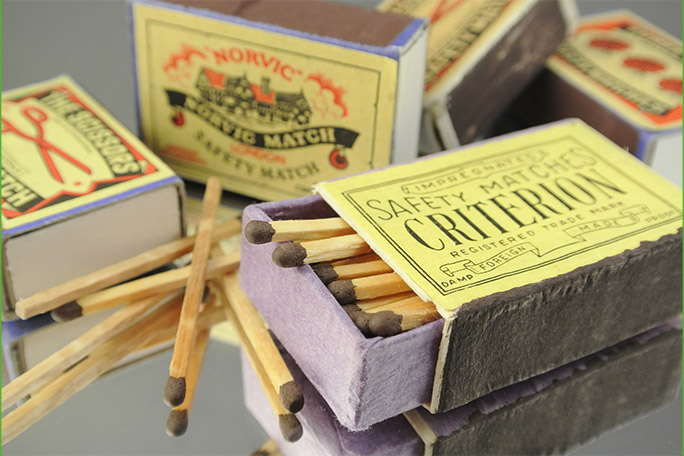
While the earliest matches are thought to date back as far as 600–950 CE in China, it was in Sweden in 1844 that chemist Gustaf Erik Pasch struck upon the earliest safety matches we are familiar with today. Today you can learn all about the history and science of matchsticks in this illuminating museum. It is fittingly housed in the first factory set up to mass-produce safety matches in the city historically known as the “Matchstick Capital”.
Credit: Amanda Granlund
Dalarnas Museum
Location: Falun
Opened: 1962
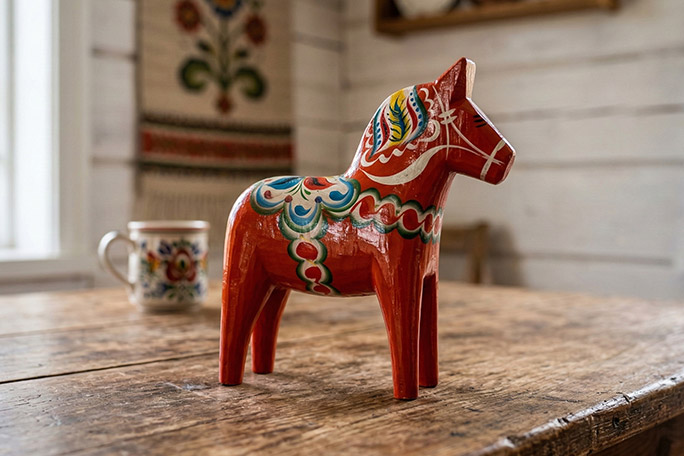
One of the most popular souvenirs in Sweden are “dala horses” – brightly coloured wooden equine sculptures that come in many sizes and designs. It stands to reason that one of the biggest museum collections exploring their evolution from a common toy to a beloved cultural symbol is found in Dalarna County, where they originated. During a tour here (which must be booked in advance), you’ll even get the opportunity to paint your very own horse for a truly unique keepsake. What’s more, while in the area, you’re only one hour’s drive from Avesta, where you can't miss (literally) the largest Dala horse sculpture.
Credit: JackieLou DL
The Straw House
Location: Bengtsfors
Opened: 1995
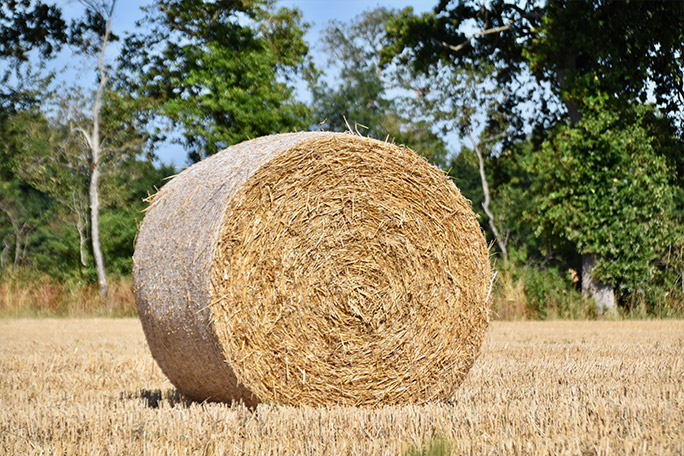
Proof that there can be an interesting story behind even the most ubiquitous of things is Halmens Hus, in the Dalsland region near the border with Norway. Straw might just seem like something farm animals chew on nowadays, but in the past it was a highly versatile supermaterial. Over the millennia, dried grass has provided humans with clothing, storage and transport vessels, shelter, heat – and of course additionally a creative medium to produce decorative handicrafts as well as sacred charms and effigies. A visit to this small but perfectly formed exhibition certainly isn't a case of drawing the short straw!
If this article has whetted your appetite for record-breaking museums, be sure to check out the feature in the latest GWR book, where among other examples you’ll learn about the world’s most visited museum, the oldest museum and the highest museum in a building!
Header image credits: Amanda Granlund / Hartono Subagio