


Inside the rescue mission that saved 20,000 penguins from devastating oil spill
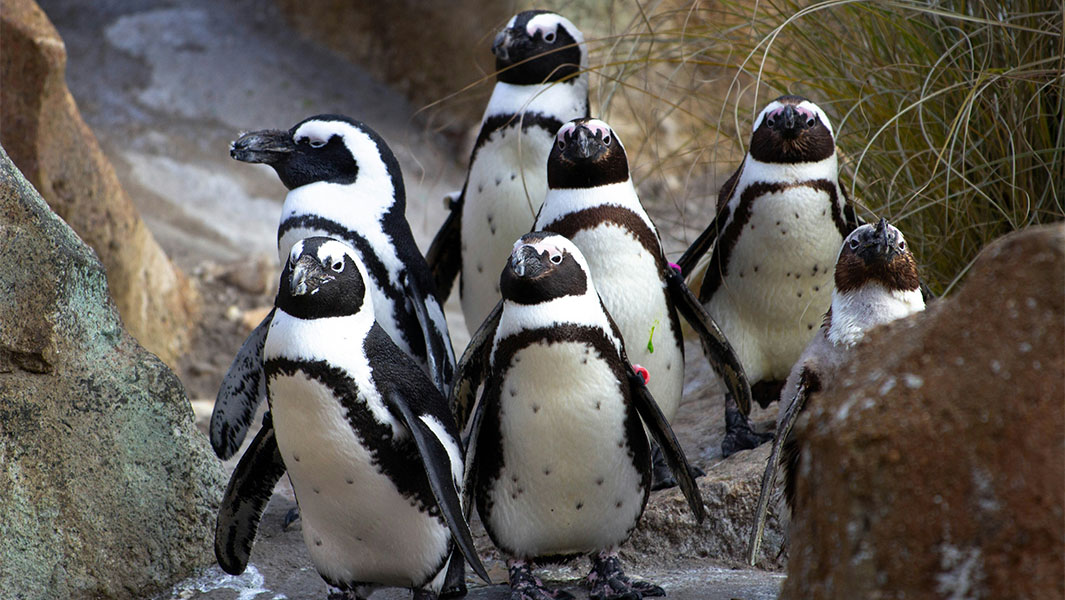
At Guinness World Records, we love animals and all the amazing things that they can do. Today, on Penguin Awareness Day, we will be looking back at some record-breaking penguins, and the story of the airlift that brought a huge colony of our non-flying friends to safety.
In the early morning of 23 June 2000, near Dassen and Robben Islands off the western coast of South Africa, a ship named Treasure sank, resulting in a large oil spill from the bulk carrier. The oil spill began to reach colonies of African penguins, so during the weekend of 1-2 July 2000, the largest penguin airlift commenced.
The sheer amount of oil contaminating the water caused 76,000 penguins to be impacted, so bringing as many of the birds to safety was key. A week after the incident, a temporary rescue centre called Salt River Penguin Rescue Centre had been built to take care of the many oiled birds. It was all hands-on deck to help the birds, and part of the operation was organized by Dyan deNapoli, better known as “The Penguin Lady”.
Dyan and her team of eight penguin caretakers from around the USA managed to airlift between 15-20,000 penguins to safety, and 2,000 of them were airlifted off Dassen Island, then flown to the Algoa Bay near Cape Town as the water was cleaner there.
After the evacuation, it was estimated by experts that it cost around 40 million South African rand (approximately $5.8 million) to save the birds, and that the whole process was probably one of the largest wildlife evacuations to ever happen.
Read more amazing stories about animals in our dedicated section.
In 2019, GWR had the opportunity to catch up with Dyan to find out what her experience was like during the penguin airlift process. She explained that within the first two days of her and her team's arrival in South Africa, both the Salt River facility and the local seabird rescue centre, SANCCOB (Southern African Foundation for the Conservation of Coastal Birds), had completely exceeded their capacity.
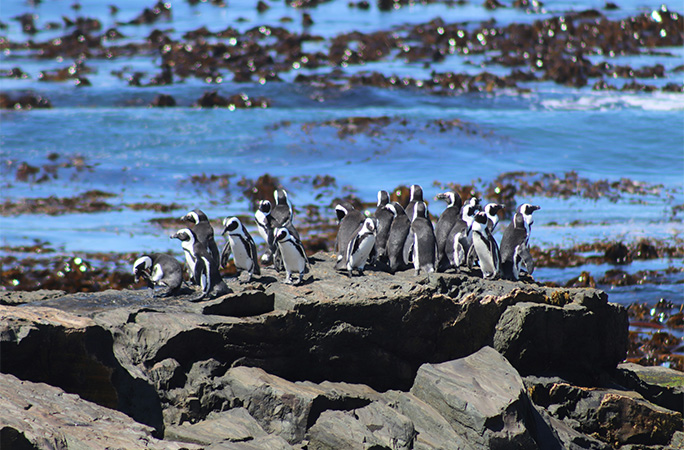
Image: An African penguin colony on Robben Island by Mikell Darling on Unsplash
Dyan also mentioned that when the clean-up operation began, her team and the volunteers had no idea how many penguins could be saved. The last similar incident occurred six years earlier during the Apollo Sea oil spill, which was also near Cape Town, where only half of the penguins were rescued, while the other half sadly lost their lives.
There were over 12,500 volunteers that helped with the rescue of the penguins of Robben and Dassen Islands, and each penguin that was brought to safety was washed by hand to get the oil off. A degreaser is used for 30 minutes on the penguin to break down the stubborn oil, and then the penguin will sit in hot and soapy water until the water is fully clear.
Many of the penguins swam back to their breeding islands after the clean-up and they were released in groups of around 100 at a time.
This amazing effort by all the volunteers and helpers shows truly how much we humans value our wildlife, and it remains one of the largest evacuation operations of all time. Dyan delves deeper into the penguin airlift and the experience in her book The Great Penguin Rescue where her love of animals really shows.