


Man’s quest to boost environmental awareness across the Philippines leads to world record
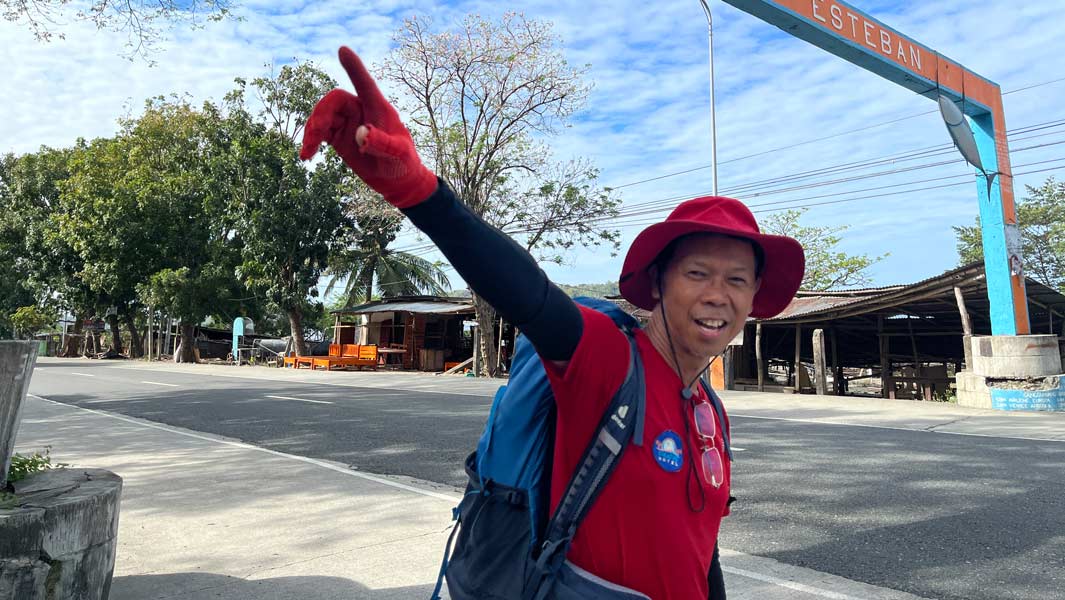
Filipino hobbyist mountaineer Lito De Veterbo has made waves in the Philippines after a nearly five-month trek across the entire archipelago that landed him the Guinness World Records title for the fastest crossing of the Philippines on foot.
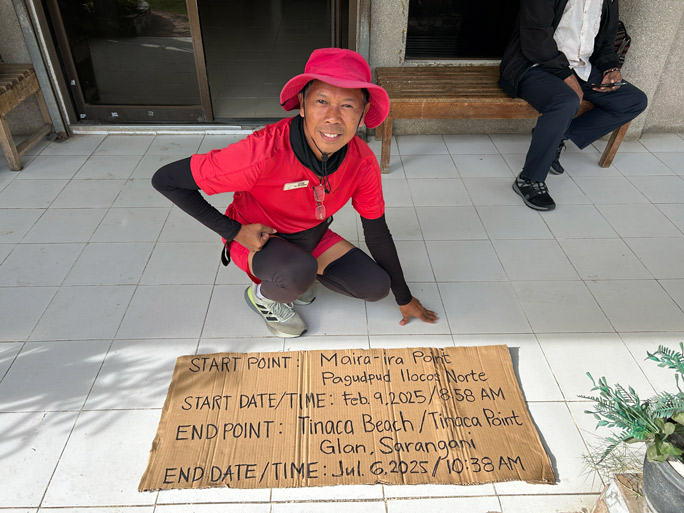
In record time of 147 days 1 hr 39 min 53 sec, Lito traversed a predetermined route that stretches from Maira-ira Point in Pagudpud, Ilocos Norte Province in the north to Tinaca Point in Glan, Sarangani Province in the south. His journey began on 9 February and ended on 6 July.
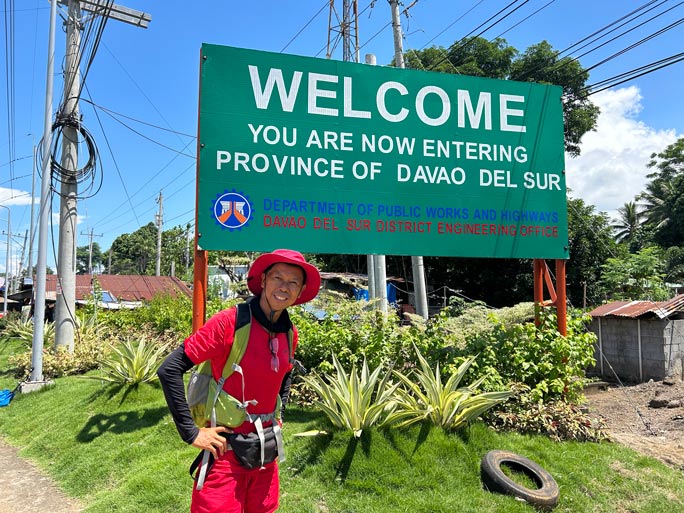
Though achieving the record title was by no means an easy feat, Lito described his achievement as “a big bonus,” candidly confessing that setting the record was his second priority.
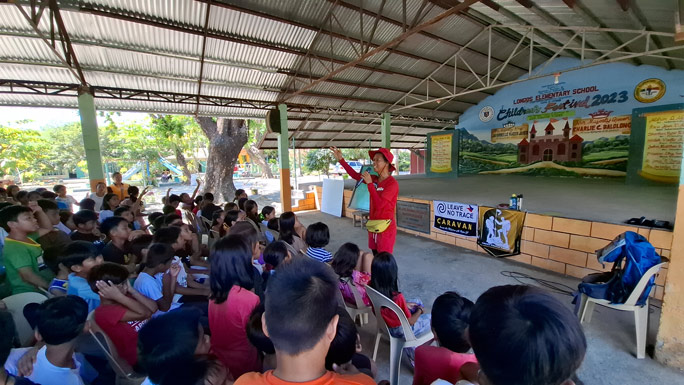
Lito revealed that his main goal for doing the daunting trek has always been to raise and promote environmental awareness as an instructor certified by Leave No Trace (LNT), a nonprofit organization dedicated to protecting the outdoors through science-based education that inspires responsible recreation.
“I went into this with the intent of teaching people how they can enjoy nature while minimizing their impact to the environment. But at the same time, I thought it would be great if I could also simultaneously set a world record, so these two things just happened to come together. By the end of it all, I still couldn’t believe that I pulled it off,” he said.
However, what pushed Lito to apply for the record happened by pure chance. Lito had always had a passion for weekend mountaineering, and this hobby eventually developed into a love for long-distance walks.
After visiting various countries where he completed a series of long-distance walking courses, it was then that he came up with the idea of crossing the entire Philippines archipelago. This moment pushed Lito to check the Guinness World Records website, whereby he discovered that the record was lying unclaimed. Without much hesitation, he knew that he had to make it happen.
“After I submitted my application in March 2024, there was about a 10-month wait until the actual attempt started, which was on 9 February 2025. Most of the time spent in those 10 months was mainly for getting pre-approval for the attempt route that I had to plan out on my own, and it took quite a few revisions until it received the green light,” Lito said.
Furthermore, he added: “But during those moments of waiting, I made sure that I was doing the required training. Long distance walks, climbing, and so on. However, doing this is not just about physical preparation, but you must also be prepared mentally and financially. So, I made sure to do everything I could to be prepared during those 10 months.”
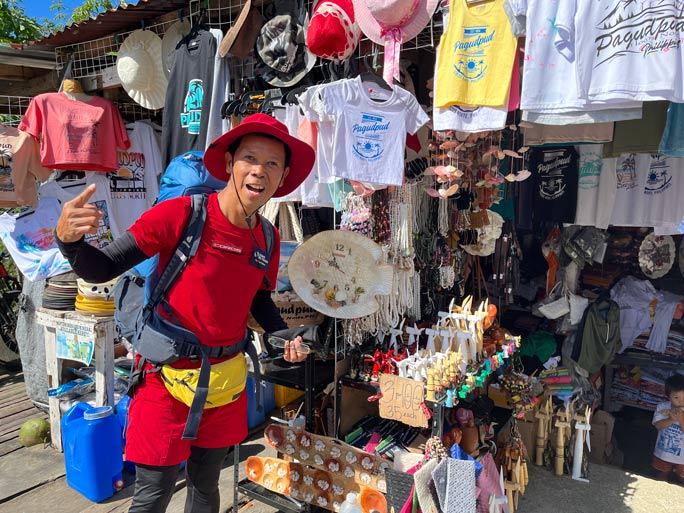
When the day finally arrived for him to embark on his record attempt, Lito was accompanied by a few of his friends who bid him farewell from the route’s starting point, which was about 800 km north of the Philippines capital, Manila.
As part of his environmental advocacy efforts, Lito only packed in his 32-litre backpack the following essentials: a 1-litre reusable water container, a portable water bladder equipped with a hose, three GPS trackers, three sets of clothes, and a first aid kit.
Throughout the five-month journey, Lito only used a total of three pairs of shoes. He bought replacement shoes on the road and sent the old, worn-out pairs to his parents' place to avoid adding weight to his backpack.
“Out of all the items I brought with me, the water bottle is the most important. You can eliminate three pieces of trash by using a recyclable water bottle, which is the bottle, the label, and the cap. When I need water, I refill my bottle at eateries, restaurants, or the hotels that I stayed at. Sometimes I have to pay to get it refilled, while other times, some of these places will provide it for free,” he said.
When asked about the greatest challenge that he faced on the road, Lito revealed that he was most concerned about his personal safety, explaining: “You need to be careful while being out and about in the Philippines, especially in isolated areas where there are roads with less people and less houses.”
“Running into stray dogs was the second biggest issue for me. In most cases, I was able to spot them in advance and avoid them, but there was one time when I almost got bitten by a dog that suddenly appeared out of nowhere. Luckily, I was able to avoid the attack and proceed through,” he added.
Read about more epic journey records in our Sports and Fitness section.
However, as seen in some of the photos that Lito took on the road as part of his obligation to document his journey, he is always seen wearing a striking, and now iconic, red outfit. Lito explains that the red-coloured garments were also part of a safety measure, ensuring that he is visible to any incoming vehicles. On rest days when Lito was not walking, he would switch to wearing a less conspicuous black shirt.
“I usually start the day at around 9 or 10 a.m.. It can also start as early as 6 or 7 a.m., depending on the distance to be covered in a given day. But in most cases, I start around 9 a.m., and finish around 4 or 5 p.m. in a scenario where I’m walking at a relaxed pace.
"In terms of distance, my shortest walk was 7 km, while my longest was 28 km. However, on average, I’d cover around 18 km per day,” explained Lito.
Lito also notes the importance of pacing himself, as he had to manage the condition of his legs to avoid overstretching them. A key technique he used to avoid potential injury, such as blisters, was to quickly identify “hot spots” on his feet and covering them with band aids as soon as possible. Lito refers to these “hot spots” as places where he thinks a blister may start to develop.
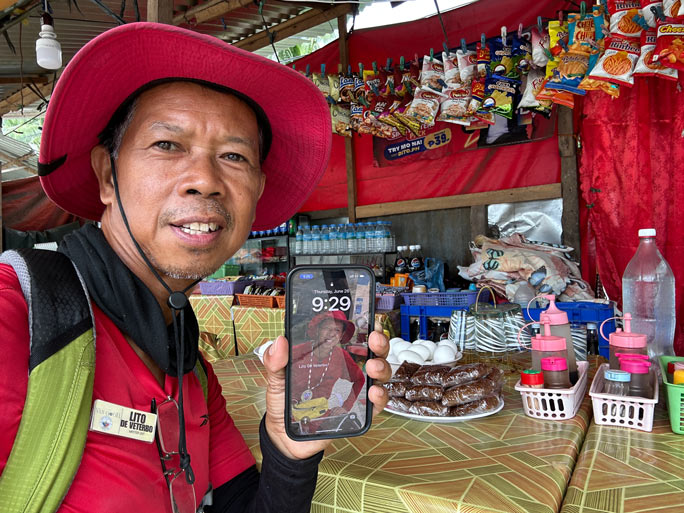
Fortunately, Lito never fell ill throughout the five-month trek, and he considers himself lucky as he received a lot of support along the way. “In certain portions of my walk, some of my mountaineering friends actually joined me on the road, which was planned in advance. Some would join for just a few steps and to catch a photo opportunity, while the longest a friend has tagged along with me was for four days. I felt grateful as some of them have allowed me to stay at their houses, which helped me save a bit of money.”
Looking back at the last stretch of the trek, Lito recounts how he felt, saying: “I remember trembling and feeling like my heart skipped a beat, knowing that this was all about to be over. Some of my friends were there as well on that day, and we walked together towards the destination point. When I stepped on the beach that was designated as the end point of my attempt route, it felt bittersweet.
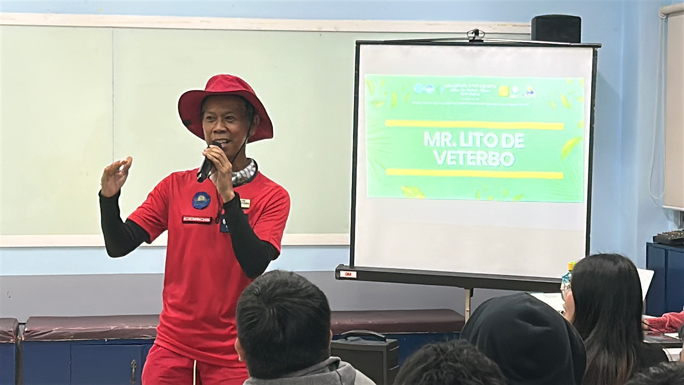
“If I were to reflect back on that entire journey, the most memorable moments were the Leave No Trace workshops that I attended as a guest speaker during the attempt. I remembered saying to myself that if I were to do this again, I would take a completely different route. That way it would be a different experience, different people along the way, and I would be able to increase environmental awareness in other areas within the country.”
Turning 55 this year, Lito now enjoys local recognition in the Philippines, appearing in the news and talk shows where he happily recounts his record attempt experience and proudly showing off his well-earned Guinness World Records certificate. Many who he encountered on the road, whether at eateries, hotels, or the Leave No Trace workshops, have also begun posting photos that they took together with Lito on social media.
He said: “If anyone were to try this record attempt, preparation is key. Those attempting should also make some effort to enjoy the outdoors responsibly and take care to minimize our impact to the environment.”