

Is your spaceship falling out of the sky? Be careful, you could get a fine for littering!
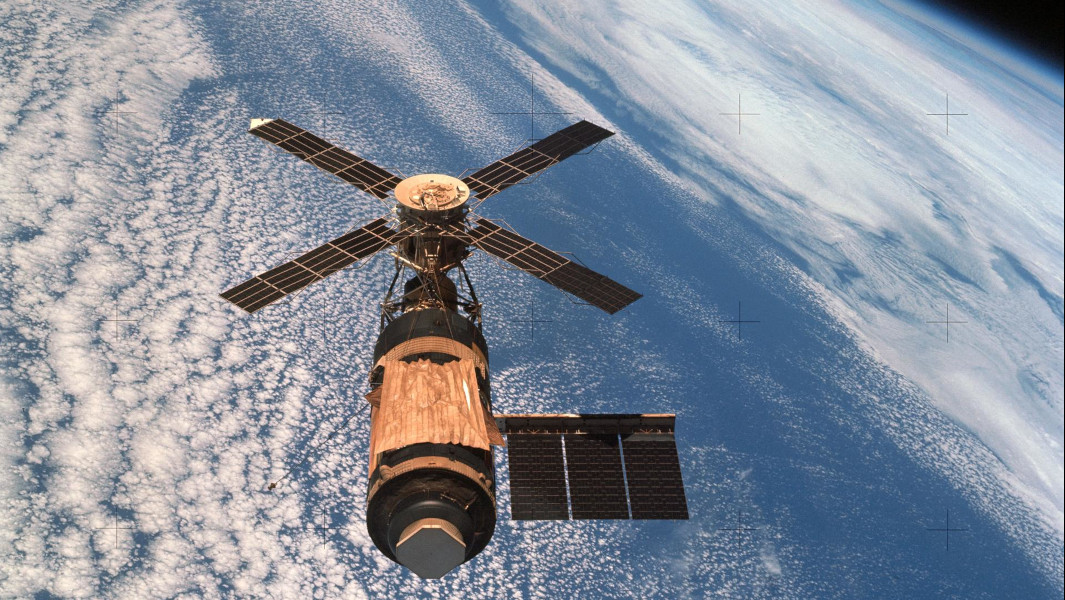
Way back in 1979, as the defunct American space station Skylab re-entered Earth’s atmosphere as a falling firework, citizens from around the world took turns playing a morbid guessing game for which country the debris would hit.
Nobody knew where it would end up – scientists had little ability to control the descent of the 88-tonne station, although they estimated they could force the ship into the ocean southeast of South Africa.
Yet the media attention stirred the public into a frenzy, inspiring T-shirts printed with bullseyes and predicted locations, and a newspaper even held a contest with a $10,000 (£7,522) prize for the first person to drop off a piece of the spacecraft at their door.
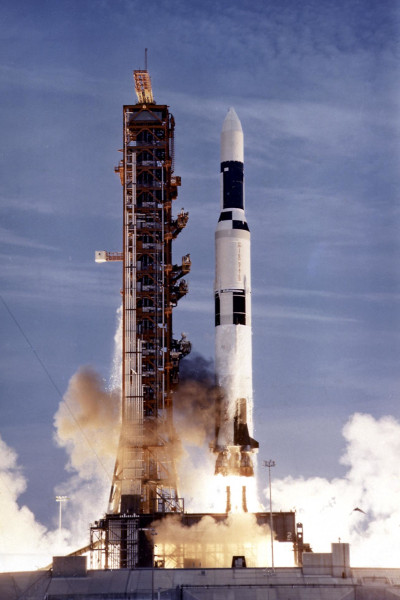
Image credit: NASA
As such, on 11 July, the world waited with bated breath as Skylab came back to Earth. But instead of crashing down in the water, it passed over Australia near the tip of Cape York, and began to spray out debris across a 2,450 mi (3,942 km) footprint in the Australian Outback and the Indian Ocean.
Residents scattered across Western Australia reportedly heard sonic booms as the Skylab fell apart and made contact with the ground, but soon enough, the surrounding area became calm and the metal chunks became part of the local environment.
Despite the chaos, NASA considered the mission a success – and fortunately, nobody was hit by the falling debris.
But when scientists travelled to the Shire of Esperance to collect their materials and review the damage, they were met by officials holding a $400 AUD (£198; $263 USD) ticket for the first fine for littering from space.
Read more stories about record-breaking astronauts in our Science and Technology section!
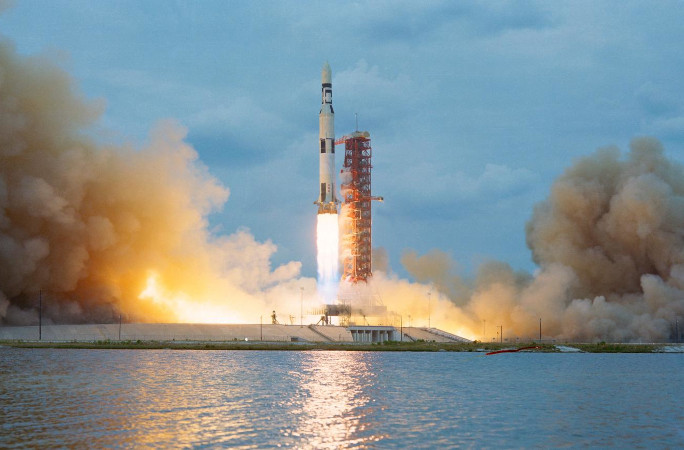
Image credit: NASA
It was all in good fun, and Marshall Space Flight Center public affairs representative J.M. Jones explained the situation in a 1979 NASA newsletter, saying: “Upon our arrival, the president of the Shire had arranged a mock ceremony in which an officer of the parks service ticketed NASA for littering, the evidence having been found all about the countryside.”
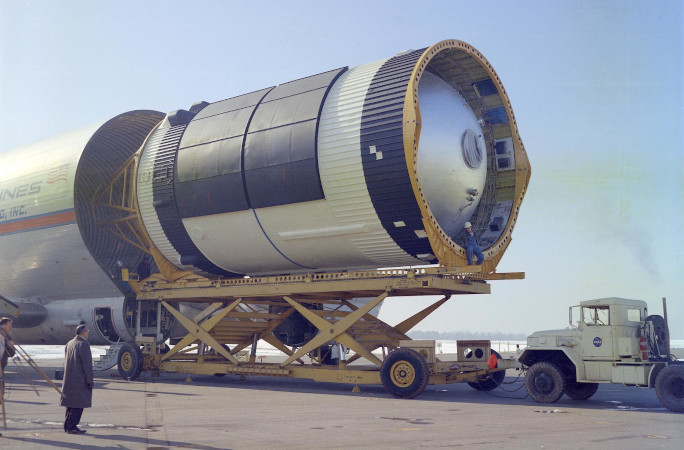
Image credit: NASA
And naturally, NASA had other things going on, so they never ended up paying the fine.
But in 2009, nearly three decades after Skylab first fell, California DJ Scott Barley made a hilarious attempt to clear the space organization’s ‘debts’ with the Shire – despite the then-mayor’s emphatic declaration that the ticket had been “written off years ago”.
After explaining his request on-air, Scott collected a few hundred dollars for the fine from his listeners, and officially paid off NASA’s books. For his contributions to space history, he was invited to Esperance and given the honour of a key to the city.
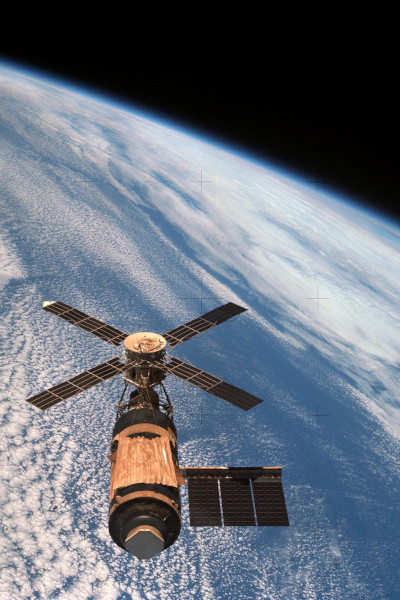
Image credit: NASA
Nowadays, NASA operates a lot of machinery in the bounds of outer space, and have strict guidelines in place to make sure that the debris from falling spacecrafts are safely deposited in bodies of water or “satellite graveyards”.
Yet as our space cemeteries begin to fill up with more and more unusable materials, governments around the world need to figure out how exactly they plan to take out their trash.
Maybe they can get a piece of advice – or reclaim a piece of debris – from the Shire of Esperance!
Header image: NASA