


Art in space: the story of the first sculpture on the moon in honour of fallen astronauts
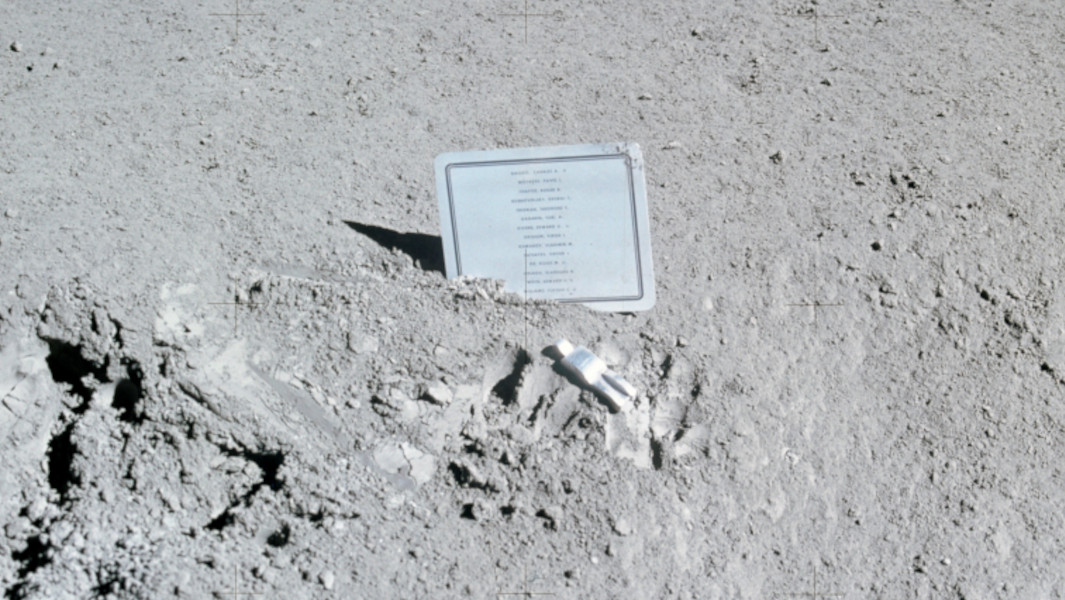
Out in the black expanse of space, in the soil on the edge of a moon crater, lies a small aluminium figurine crafted in the shape of a man.
Resting next to a metal plaque, the sculpture is reminiscent of a child’s toy, but in an avant-garde, Space Age style. Designed by artist Paul Van Hoeydonck (Belgium), this curious piece of art was the first sculpture on the moon – but how it ended up there, and what it represents, casts an interesting light on the human toll of the Space Race.
On 2 August 1971, the crew of Apollo 15 – David Scott and James Irwin on the surface, and Al Worden in the Endeavour CSM (command and service module) – were completing their third and final extravehicular activity, when the astronauts decided to go rogue.
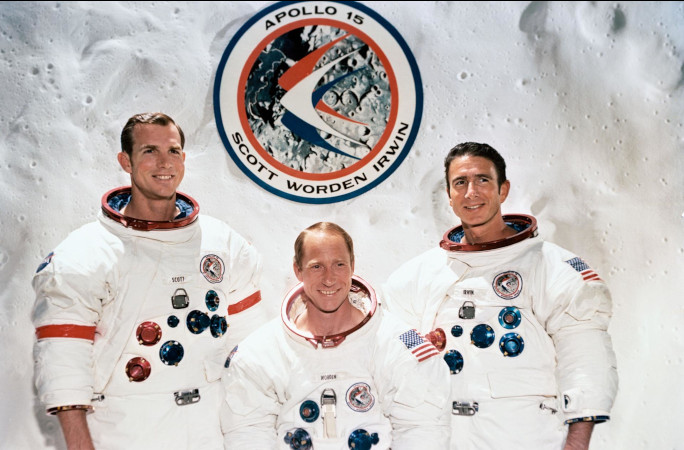
Image credit: NASA
While James Irwin distracted Mission Control, David Scott laid the sculpture and memorial plaque on the edge of a moon crater behind the Lunar Roving Vehicle (LRV), about 100 m (330 ft) from the lunar lander Falcon.
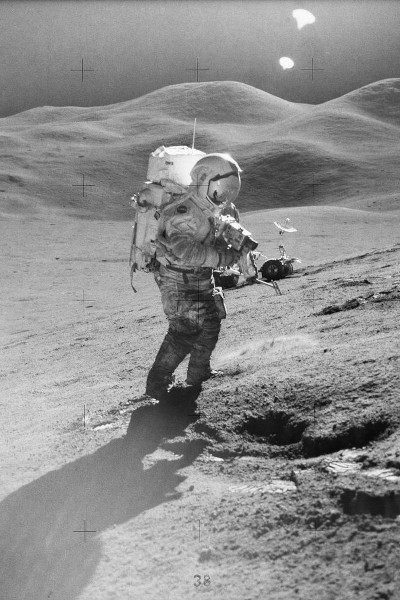
Image credit: NASA
When asked by CAPCOM (capsule communicator) Joseph P. “Joe” Allen what he was doing, David replied: “Oh, just cleaning up the back of the Rover, here, a little, Joe.”
In reality, the astronaut was placing the first piece of art on the moon – that 8.5 cm-long (3.3 in) sculpture, named the Fallen Astronaut, was a commemorative piece with the names of the 14 US and Soviet astronauts who were known to have died in service.
Read more stories about record-breaking astronauts in our Science and Technology section!
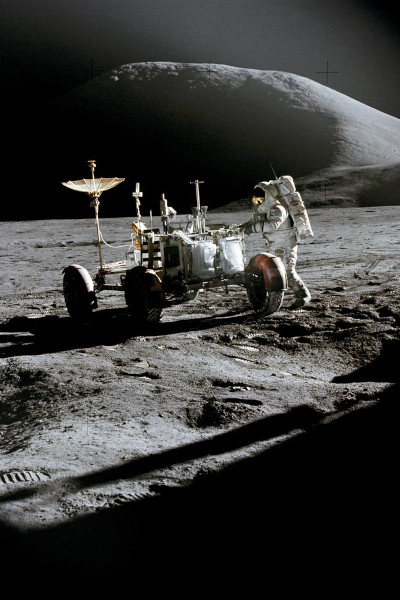
Image credit: NASA
Later, David said he placed the piece secretly and “with good taste and without publicity”, presumably so as to not attract extra scrutiny from officials concerned about what objects astronauts were depositing on other planets.
However, senior NASA officials were aware of the plan, but agreed to keep it from the public until after the flight. The details weren't made public until the post-mission press conference a week later on 12 August, when David admitted to his actions in the NASA logs.
Image credit: NASA
“We made a plaque for all the astronauts and cosmonauts that had been killed. And a little figurine, a Fallen Astronaut, and we put it right by the Rover,” he said. You can see it in the picture. That was just a little memorial, in alphabetical order.
“In relative terms, we had both lost a lot and, interestingly enough, we didn’t lose any more after that until Challenger. That’s what I was doing when I said I was cleaning up behind the Rover. Jim knew what I was doing. We just thought we’d recognize the guys that made the ultimate contribution.”
@guinnessworldrecords First #sculpture on the #Moon 🌜👨🚀 'Fallen Astronaut' by Paul Van Hoeydonck 🇧🇪 #LearnOnTikTok #GWRoriginals ♬ original sound - Guinness World Records
The names featured on the plaque were: Charles A. Bassett II, Pavel I. Belyayev, Roger B. Chaffee, Georgi Dobrovolsky, Theodore C. Freeman, Yuri A. Gagarin, Edward G. Givens Jr., Virgil I. Grissom, Vladimir Komarov, Viktor Patsayev, Elliot M. See Jr., Vladislav Volkov, Edward H. White II, and Clifton C. Williams Jr..
And even to this day, the sculpture and plaque lay untouched in the same place David placed them over 50 years ago – an undying testament to the astronauts who lost their lives fulfilling our desire to explore.
Header image: NASA