
Got your toe(nails)! Scientific study holds largest collection of toenail clippings
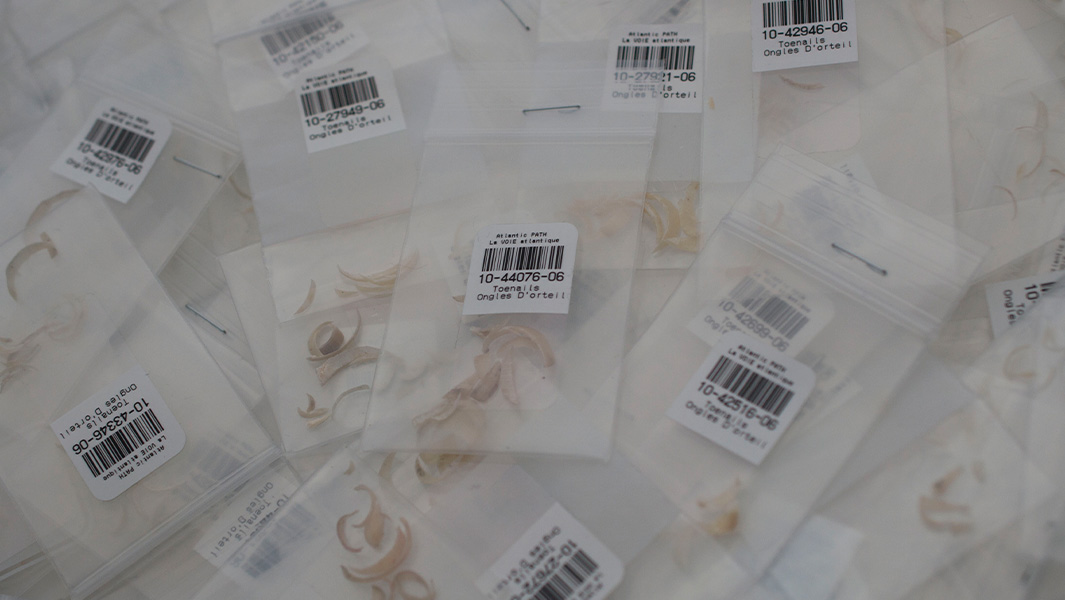
In 2013, 24,999 Atlantic Canadians leaned over while cutting their toenails, carefully scooped up the shards, and dropped them into clear baggies to put in the post.
The recipient? Not your typical collector, but scientists at the Atlantic Partnership for Tomorrow’s Health, or “PATH.”
As part of the Canadian Partnership for Tomorrow Project, researchers launched the largest study of its kind to determine which factors lead to the development of cancer and chronic diseases. As of 25 October 2013, over 30,000 men and women from ages 35-69 across four Atlantic provinces have sent body measurements, blood samples, and toenail clippings to the team.
The result? A Guinness World Records title for most participants in a toenail clipping sample study, and valuable new insights into cancer research.
This research is incredibly important, as Atlantic Canada has some of the highest cancer rates in the country. Their project attests that one in three Atlantic Canadians will develop cancer in their lifetime, and each year, more than 13,400 Atlantic Canadians are diagnosed while 6,300 die from the disease.
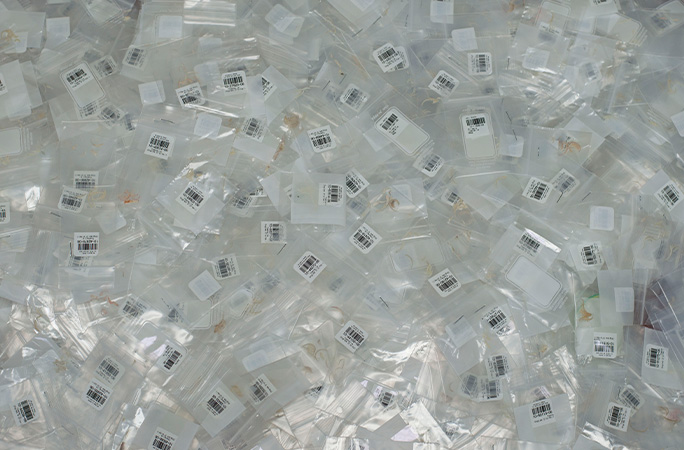
“It’s a heck of a collection: a quarter of a million toenail clippings altogether,” said Atlantic PATH’s Principal Investigator Dr. Louise Parker, the Canadian Cancer Society Chair in Population Cancer Research and professor in the Departments of Pediatrics and Medicine.
But why toenails?
“Toenails are an important part of our research,” she continued. “By the time you trim the end of your toenails, they’ve been on your body for about six-to-nine months and during that time they’re exposed to everything that you’re exposed to.”
“What we’re particularly interested in, in this context, is the extent to which environmental exposure affects our risk of disease.”
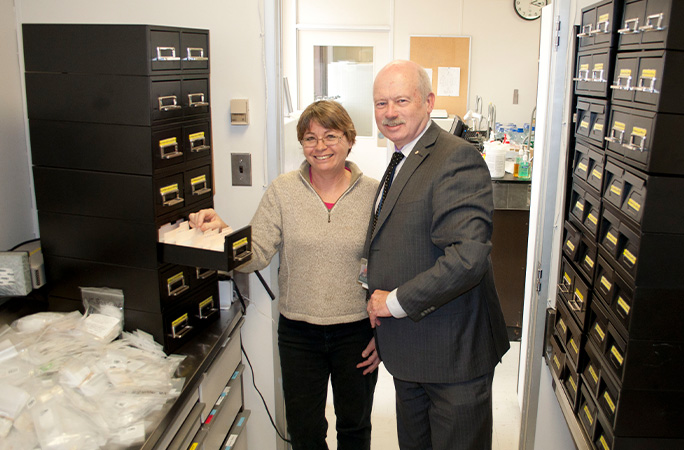
Once the clippings are received by the lab, they’re all ground up together into a powder and mixed together for analysis. Scientists also ask participants about their environment and other factors that could contribute to their health.
So far, the study contributed new research about arsenic levels in the region. The team found out how body fat plays a role in how arsenic is retained in the body, and found that women with higher levels of body fat are less likely to retain the element.
The study also revealed new information about prostate cancer.
“It’s a known carcinogen and increases the rates of several cancers, including that of the bladder and kidney,” says Dr. Parker. “Arsenic is a natural contaminant of many water supply wells in Nova Scotia, and we want to find out if drinking arsenic-contaminated water is one of the reasons rates of bladder and kidney cancer are higher in Atlantic Canada than most of the rest of Canada.”

But what the team never expected to find at the end of their research was a Guinness World Records title.
“My colleagues David Thompson and Trevor Dummer had the idea,” said Dr. Parker. “they looked at the Guinness [World Records] website and while there were other toenail records — for example, the longest toenails — there wasn’t a record for the largest collection of clippings.”
“We thought it was a great opportunity to have a bit of fun after everyone’s hard work and commitment to the project.”
So in 2013, the team at Guinness World Records was proud to bestow upon them a record for this (somewhat odd) collection. And although it may not be what everyone would display in their houses, it did have an amazing impact on their community.